YUCO-CARRIER

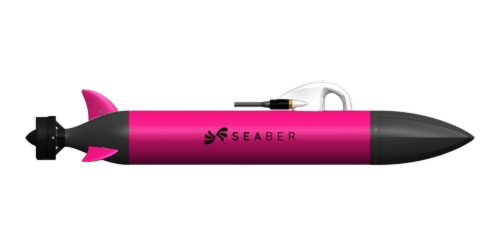


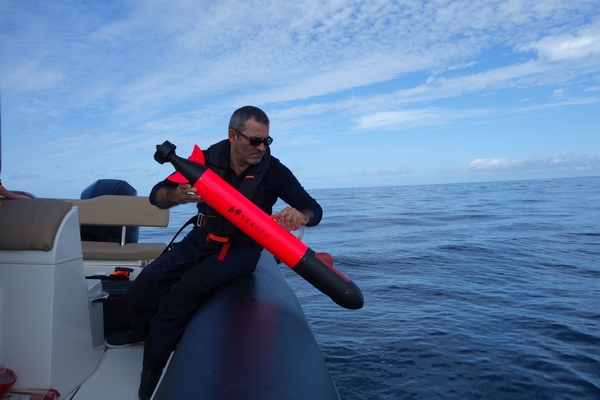
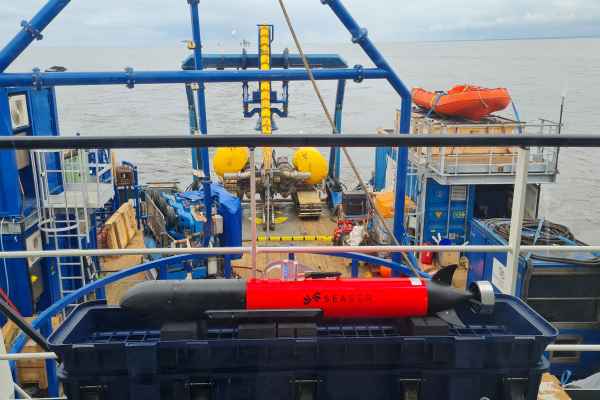
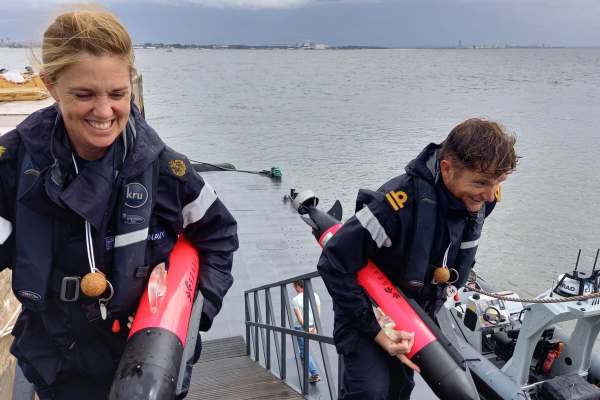
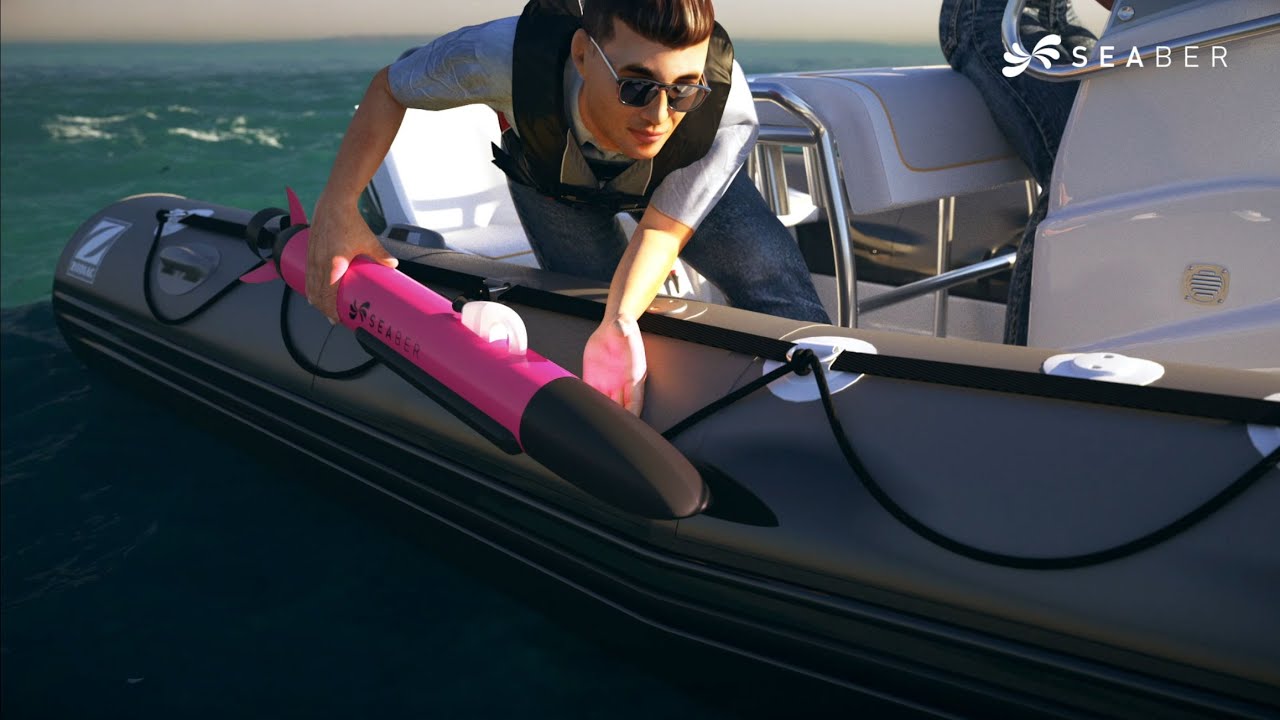
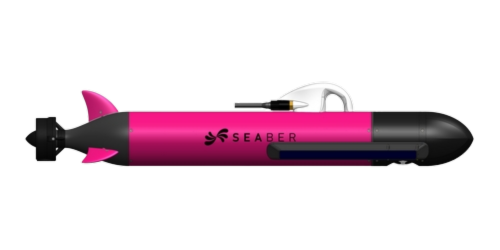
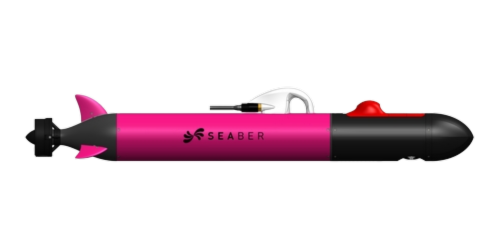
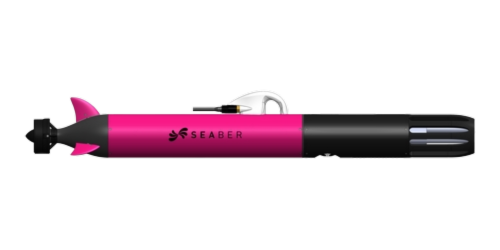
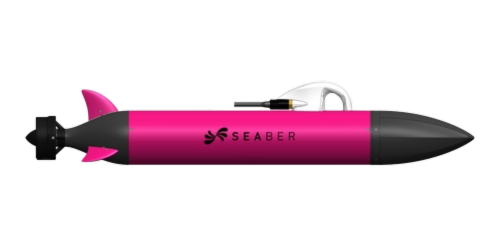
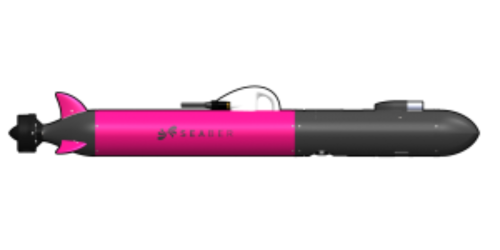
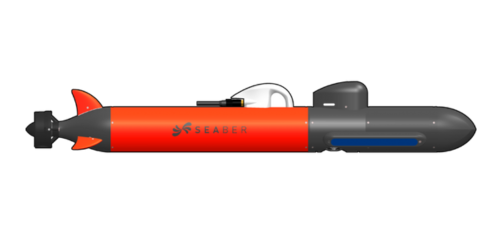
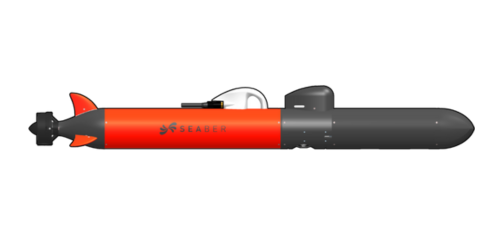
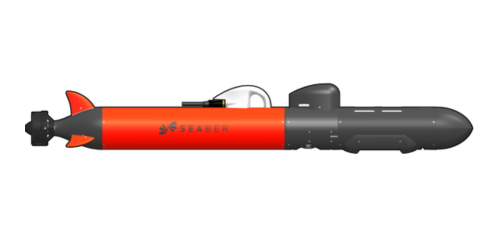
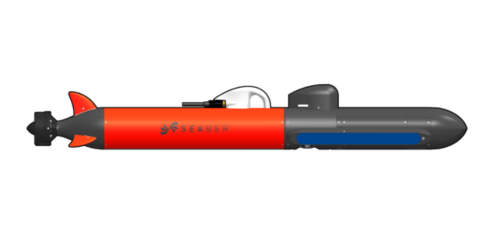
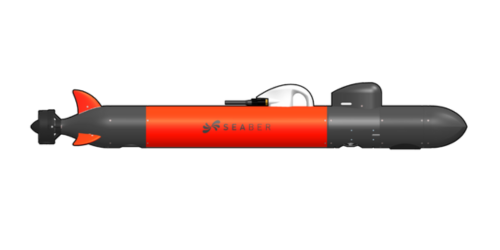
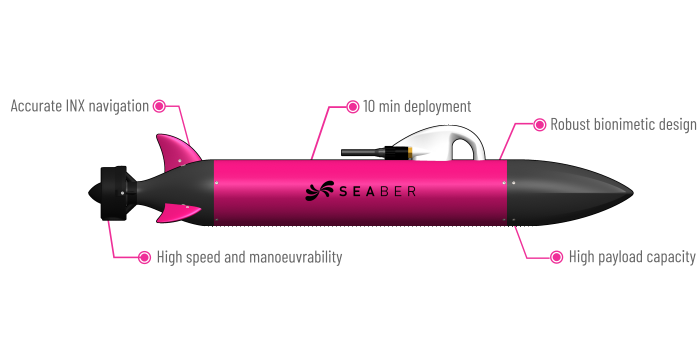
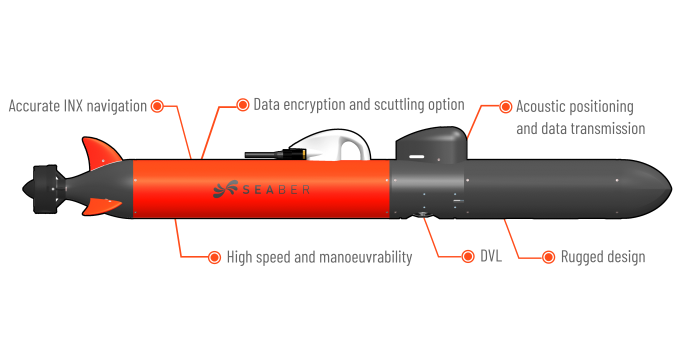
SEABER is an innovative company that designs and manufactures highly reliable micro-AUVs navigating down to 300m depth with 8-10 hours autonomy, weighing 10kg and measuring 1m long.
After years of experience and with a shared obsession for robotics and marine technologies, we decided to use our expertise and knowledge to develop the first micro-AUV that meets the specific needs of oceanographic researchers and navies.
The YUCO aims to be used for research and commercial oceanographic applications. And the MARVEL is used for survey and more defense oriented sectors such as security, coast guard, MCM missions and ASW training.
We believe that the future of ocean exploration belongs to fleets of numerous small, agile, and affordable AUVs.
Read more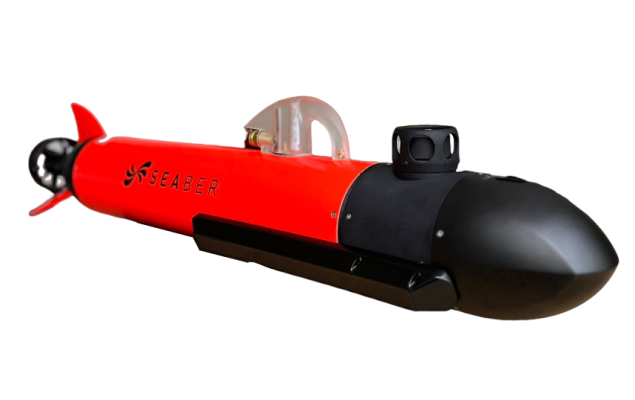
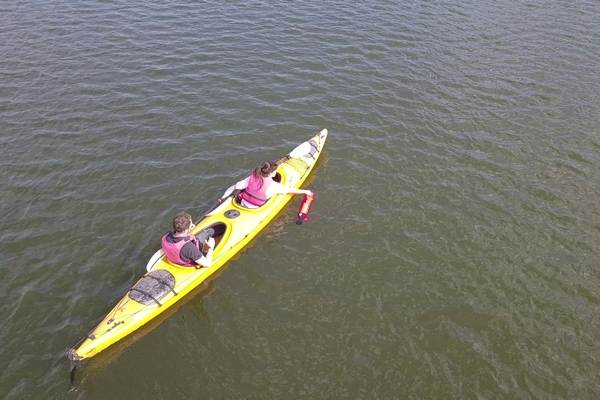
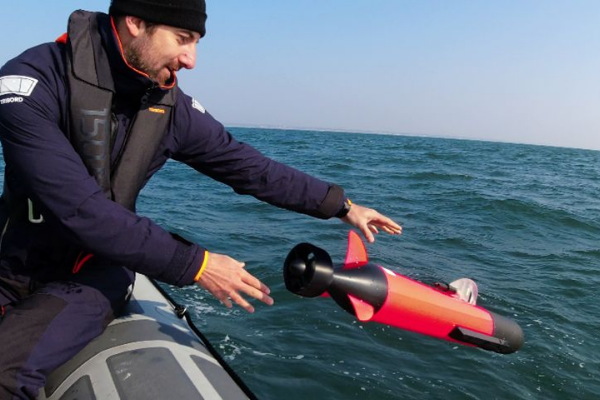
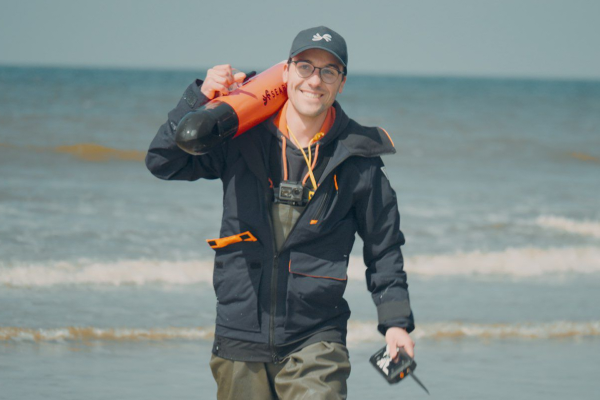
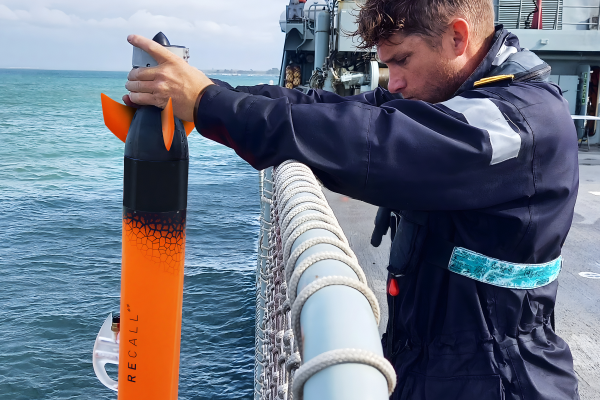
From Hamburg to Lorient 🌊
Welcome to SEABER!
This week, we welcomed the HafenCity Universität Hamburg (HCU) team to our offices for hands-on training on our micro-AUV.
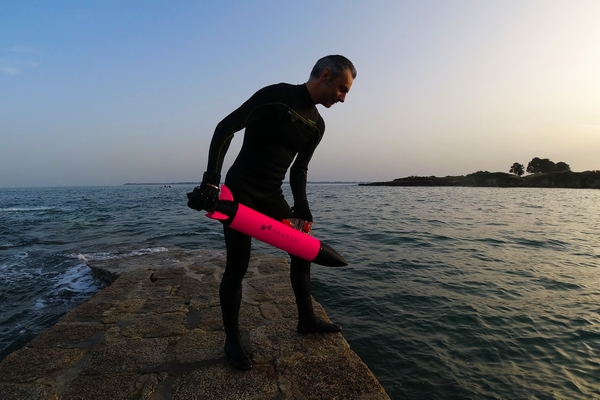
From mission planning to deployment and recovery, Vincent, our Customer Support Manager guided them through every step, because getting the most out of a micro-AUV starts with knowing it inside out.
Thank you Wibke, from Nautilus Marine Service GmbH and to HCU for your trust. We can’t wait to see MARVEL in action on your upcoming missions. 🚀
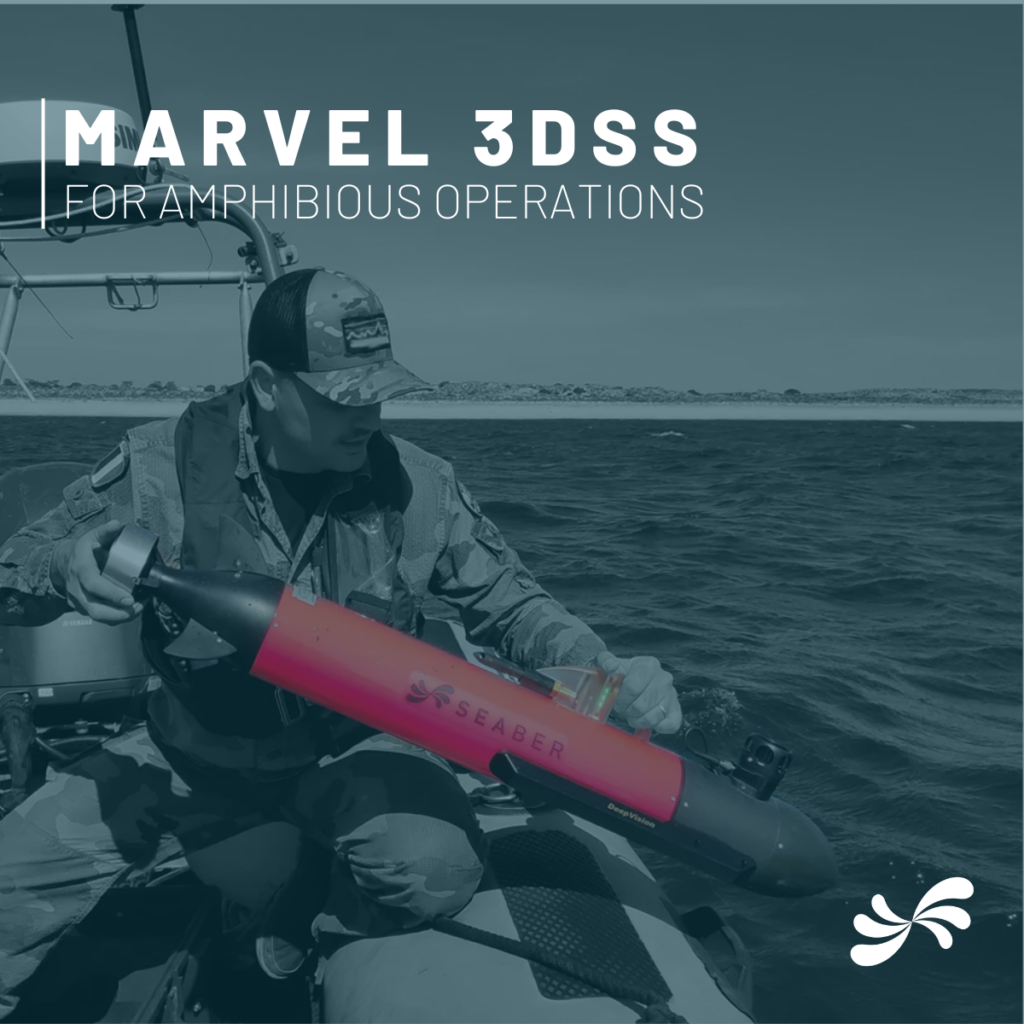
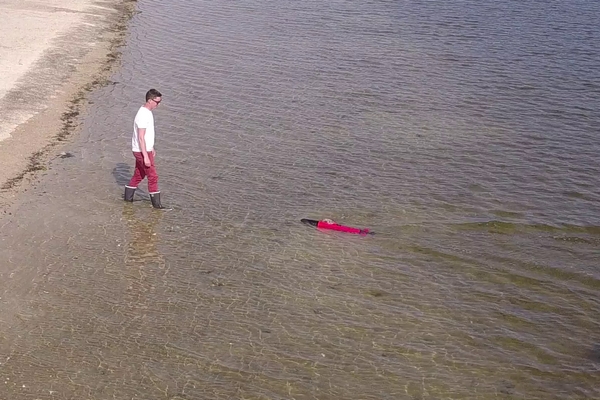
SEABER MARVEL 3DSS AUV for Beach Reconnaissance: A Technological Breakthrough for Naval Amphibious Operations
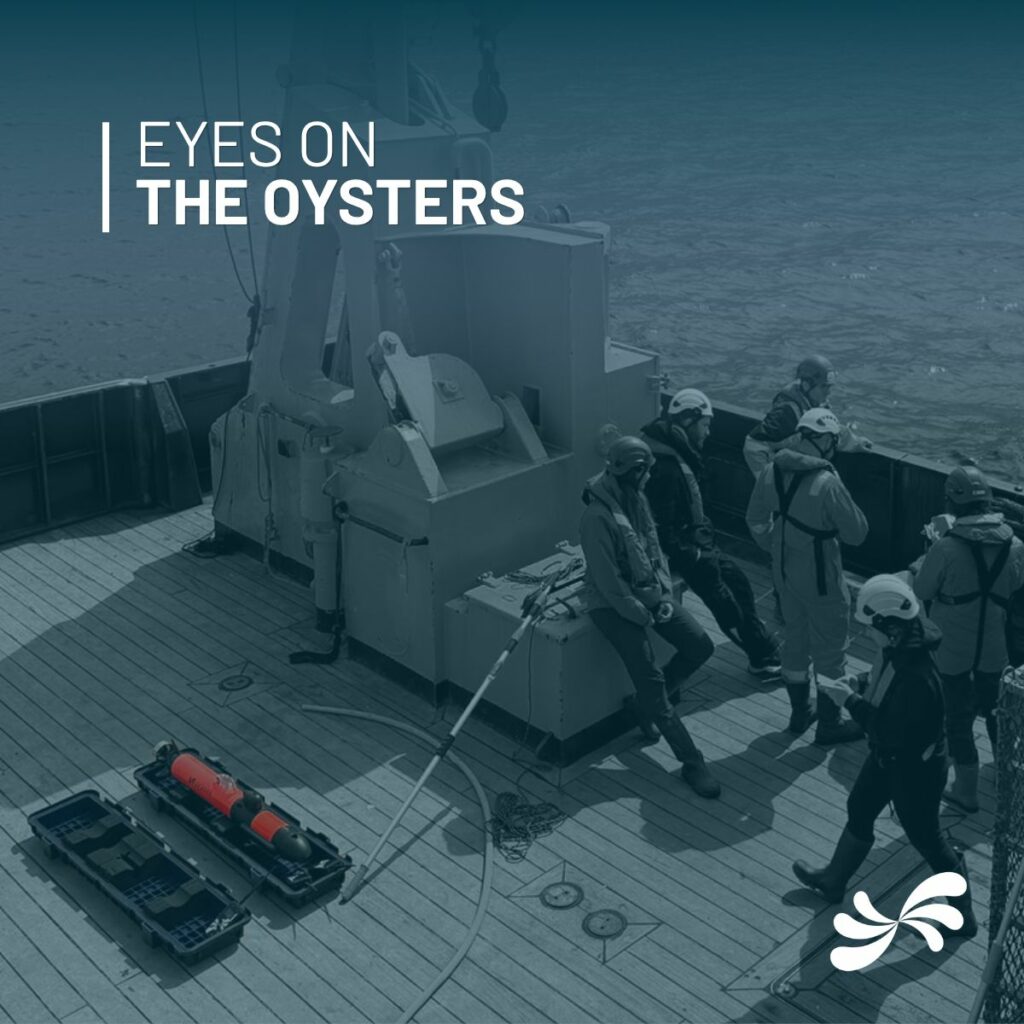
That’s what our MARVEL did alongside the teams of the BLUE CONNECT Project.